René Redzepi’s celebrated restaurant will forever be synonymous with Copenhagen’s culinary revolution – and years after its radical relaunch in a former ammunition depot near Christiania, the city’s infamous commune, it remains the hottest ticket in town. The dishes are as dazzling as ever, with Redzepi’s team rebooting the menu three times a year to showcase the season’s finest ingredients: game in autumn, seafood in winter and spring, and vegetables in summer.
Selma
The Michelin guide made culinary history when it awarded Selma a Bib Gourmand (for ‘exceptionally good food at moderate prices’). It was the first smørrebrød joint to receive the accolade – and the man responsible for taking the traditional Danish lunch to the next level was a Swedish chef. Nationalist feathers were ruffled, but open sandwich fans cheered: Selma puts a contemporary twist on the classic, using creative toppings such as elderflower herring with crème fraîche and buckwheat.
Alouette
This low-key fine-diner won a Michelin star in its first year – and it’s easy to see why. American chefs Nick Curtin and Andrew Valenzuela create seasonal dishes with global influences, like mackerel with fermented cucumber beurre blanc or charred pumpkin with caviar and mulberries. Located in an old factory in the post-industrial neighbourhood of Islands Brygge, Alouette is accessed via a graffiti-covered service elevator – a striking contrast to the restaurant’s glamorous décor and intimate vibe.
Harry’s Place
For years, the humble hotdog was the go-to snack for peckish Danes. While you’ll still spot pølse vans around town, for a truly authentic experience, belly up to the bar at Harry’s Place. Founded in 1965 and located in a cabin in Nørrebro, it remains as popular as ever despite the culinary revolution that has swept Copenhagen. To feel like a local, order a Børge – a thick, juicy sausage – and wash it down with a bottle of chocolate milk.
Bistro Boheme
Take a break from touring the design stores of Bredgade for a meal at this neighborhood restaurant from chef Per Thostesen, favored by locals for its oysters and famous fried egg with pomme puree and truffles. Even if you’re not in the mood for a full meal, a draft beer and some fries at the bar make for a perfect pitstop
Barabba
Every day of the week, Barabba offers a murderers’ row of Italian dishes more concerned with pleasure than tradition. Consider three recent appearances on the menu: an appetizer of grilled octopus with spicy radicchio and Pantelleria capers; a primo of spaghetti with butter, colatura, and caviar; and an entree of hamachi that’s salt-crusted, grilled, and fried.
Balderdash
Geoffrey Canilao serves some of the city’s most creative cocktails at this basement bar located in the historic town center. A rotating series of themed menus highlights novel applications of ingredients like truffles and ice cream. Despite Balderdash’s spirit of invention, the dimly lit drinking hole is more welcoming dive than hushed performance space.
Kong Hans Kælder
Located in the underground cellar of the oldest building in Copenhagen, Kong Hans Kælder is the place to visit for grand European fine dining: turbot cooked in a salt crust, whole-roasted duck, and an impressive cheese cart. Bonjwing Lee has covered the restaurant and chef Mark Lundgaard Nielsen extensively on the Ulterior Epicure blog if you want to get a play-by-play of the magic.
TATA Cocktail Bar
Copenhagen is slowly becoming a great hotel city. The current star is the Sanders, around the corner from the ballet. The rooftop lounge is most tempting, but head to the acclaimed cocktail bar on the ground floor if you can’t do both. The servers couldn’t be kinder and the pressed ham and cheese sandwich approaches perfection.
Sanchez Cantina
The common refrain about chef Rosio Sanchez’s Vesterbro cantina is that it serves some of the best Mexican food anywhere, not just in Copenhagen. Good luck calling that hyperbole once you start working your way through the fleet of mezcals and Sanchez’s food. The breakfast taco is the sort of thing Angelenos would gladly wait hours to sample. Dinner is just as memorable, with tostadas of octopus al pastor and carnitas topped with grilled brigante cheese. Sanchez recently opened a second Cantina near Østerbro, and the two locations of her taco stand, Hija de Sanchez, should also be on your radar.
Tivoli Gardens
Walking from Town Hall Square and crossing H.C. Andersens Boulevard brings you to the inspiration behind the Disney theme parks: the famous Tivoli amusement park and pleasure gardens dating from 1843. It’s impossible to miss the grand entrance at Vesterbrogade. Here, visitors are welcomed through a dramatic archway flanked by columns. No matter what time of year you visit, Tivoli feels festive. Inside the gardens, you’ll wind your way through a village complete with cute shops and a lake adorned by well-lit trees that are mirrored serenely in the water. That’s likely the only serenity you’ll find in this miniature theme park, which brings out the kid in every visitor. Here, you’ll also find more than 20 attractions, including a roller coaster; roundabouts; halls of mirrors; pantomime, puppet, and open-air theaters; a wealth of restaurants and cafés; flower gardens; and a Moorish-styled concert hall, which is particularly pleasing when lit up at night. The park is famous worldwide and appears in many movies. Indeed, some might say it’s the most famous attraction in Copenhagen. At Christmas, Tivoli becomes an extravagantly decorated wonderland.
Address: Vesterbrogade 3, Copenhagen
Christiansborg Palace
On the tiny island of Slotsholmen is the Danish seat of government and an attraction that should top any visitor’s agenda. Christiansborg boasts more than 800 years of history and today, the palace is home to the Parliament, the Prime Minister’s Office, and the Supreme Court. In addition, several parts are still used by the Royal House, although thankfully, much is open to the public. Occupying the site where Bishop Absalon built the earliest fortifications of the city in 1167, the ruins of the bishop’s castle and the medieval fortress were discovered when the present palace was under construction. They can now be seen by visitors.
Address: Christiansborg Slotsplads, Copenhagen
National Museum of Denmark
An easy 10-minute walk from Tivoli along Vestergade brings you to the National Museum (Nationalmuseet), a must-see attraction for anyone with an interest in Danish history and culture. Some impressive runic stones are on display here, and the Danish history collection includes a sun chariot (cult object in the form of a cart) that is more than 2,000 years old, Romanesque and Gothic church fittings, Danish porcelain and silver, and collections of antiquities and coins. The ethnographical collection, including items from Greenland, gives an excellent impression of life among the Eskimos. Inside, you’ll also find collections from other interesting areas including, Asia, Africa and Oceania, as well as the culture of the Indians. That’s not all! Here, you’ll also find the Prince’s Palace (1744), a Rococo building influenced by the French style of the period. Around five-minutes’ stroll from the National Museum, Thorvaldsen’s Museum is also worth a visit to view spectacular works from this famous Danish sculptor.
Address: Ny Vestergade 10, Copenhagen
Nyhavn Harbor
To the rear of Amalienborg lies Nyhavn (New Harbor), which is flanked by a street of the same name. This enchanting area is a hub of activity, especially during summer. Brightly painted gabled buildings line the canal, adding a splash of color to dreary days and enticing visitors to stop in for a peek at the wares for sale in the shops and a tasty bite in the restaurants and cafés that call this place home. At the end of the harbor, an anchor serves as a memorial to Danish sailors who lost their lives in World War II. Nyhavn was once a disreputable quarter of the city, but now, with its majestic feel, it is a particularly charming part of Copenhagen that features in countless images of the city.
Den Bla Planet
Although you won’t likely notice this from the ground, Den Bla Planet (a.k.a. the National Aquarium Denmark) was built to resemble a whirlpool. Think that’s cool? Head inside where the aquarium’s wow factor is even more impressive! The largest aquarium in Northern Europe, Den Bla Planet is one of the best attractions in Copenhagen. The building’s aluminum-covered walls evoke rolling ocean waves while the aquarium’s inner pathways flow like tributaries from the central core through eight sections. These paths are lined by close to 50 aquariums and installations that house everything from eagle rays to turtles to hammerhead sharks to seahorses to moray eels to alligators. There is no shortage of creatures to see here. Whether you’re hoping to spot ocean animals up close or are interested in the marine life that call tropical rivers and lakes home, you’re sure to find something inspiring in this venue. Watch the otters play, touch a creature in the tropical touch pool, or visit the café for a treat.
Address: 2770 Kastrup, Copenhagen
The Round Tower (Rundetårn)
On Købmagergade is the Round Tower (Rundetårn), a 36-meter-high structure built as an observatory in 1642. It now also houses a small collection connected with the famous Danish astronomer Tycho Brahe. A particular treat is the platform, reached by a wide spiral ramp. From the top are magnificent panoramic views over the city. A new attraction is the glass floor hovering 25 meters above the ground where you can peer down into the castle’s core. Fans of Hans Christian Andersen will be interested to know that the tower features in his well-known story The Tinderbox – “eyes as big as the Round Tower.” After taking in the views and getting your breath back, why not continue on with a short walk around the Old Town? Wander by way of Skindergade and Kejsergade to Gråbrødretorv, one of Copenhagen’s most charming squares with its brightly colored old houses.
Address: Købmagergade 52A, Copenhagen
Amalienborg Castle
Less than one and a half kilometers from Rosenborg in the Frederiksstaden quarter, you’ll find Rosenborg’s sister palace, Amalienborg, along with its serene waterfront gardens. The four palaces facing onto the square were originally built as homes for the nobility, but were taken over by the Royal Family after a fire at Christiansborg in 1794. The palace takes its name from Queen Sophie Amalie who had a sumptuous summer retreat on the site, which also burned down in 1689. The area was designed to be a model society with the King as focal point and the aristocracy (the four palaces) surrounding him. Today, Queen Margrethe II and her family occupy the upper story of Christian IX Palace, and the Moltke Palace is used for official purposes. The soldiers of the Royal Guard with their bearskins and blue (on festive occasions red, white, and blue) uniforms are a unique symbol of the city.
Address: Amalienborg Slotsplads, Copenhagen
Strøget Shopping Mile
A stroll of around five minutes from Christiansborg takes you to the bustling shopping area of Strøget where you’ll find a wealth of boutiques, cafés, and restaurants. Strøget, a nickname from the 1800s, consists of several roads crisscrossing one another, beginning at Town Hall Square (Rådhuspladsen) and ending at Kongens Nytorv. Some adjoining streets on the north have also been pedestrianized. International brand-name stores such as Max Mara, Prada, Louis Vuitton, and Hermès tend to be at the end of the street facing the direction of Kongens Nytorv. Follow Strøget towards City Hall Square for more affordable shopping at H&M, Weekday, and Zara
Rosenborg Palace
Less than 10-minutes’ walk from the Round Tower and now home to some of Denmark’s greatest cultural treasures, this castle was originally built by Christian IV as a pleasure palace. Inhabited by the royal family until 1720 and after that used as a summer retreat, the castle and contents became a museum in 1838. In the basement are the Danish crown jewels and royal regalia. Of particular interest are the Marble Room, a Baroque reception room, and the Knights’ Hall with the Coronation Throne (used between 1871 to 1940), as well as the famous Rosenborg Tapestries, which have adorned the walls since 1693. Exquisite porcelain is also on exhibit, including the famous Flora Danica service.
Address: Øster Voldgade 4A, Copenhagen
Town Hall Square
Busy Town Hall Square (Rådhuspladsen) is dominated by Copenhagen Town Hall (built between 1892 and 1905), which is based on a mix of Italian Renaissance and medieval Danish architecture. For marvelous views, you can climb the tower; at 106 meters high, it is the tallest in the city. The building itself is richly adorned with sculptures and paintings. Above the main entrance is a figure of Bishop Absalon in gilded copper, and in the Great Hall are busts of Danish notables such as Martin Nyrop (1849-1921), the architect who designed the building, the sculptor Bertel Thorvaldsen (1770-1840), Hans Christian Andersen (1805-76), and the physicist Niels Bohr (1885-1962). The World Clock at the main entrance was designed and constructed by Jens Olsen in 1955 and shows not only the time and date, but also various astronomical constellations.
Address: Rådhuspladsen 1, Copenhagen
Cisterns
The Cisterns in Søndermarken, right next to the impressive Frederiksberg Gardens, is an underground museum featuring modern glass art from Denmark and around the world.
The Botanical Garden
The Botanical Garden is a green oasis in the middle of Copenhagen, right at Nørreport Station. Walk in the park and visit the beautiful exotic Palm House. Tip: If you’re want a bite to eat or something to drink head to the popular glass markets, Torvehallerne, which is a stone’s throw from the Botanical Garden and take a coffee break in one of Torvehallerne’s many stalls. In the forests outside Copenhagen you will find six large wooden giants created by the artist Thomas Dambo. The giants are made of recycled wood and intended to get the city’s inhabitants to venture into nature and discover new places.
Bike on an old railroad
Amagerbanen was once one of the old railroads in Copenhagen. Today, only 1,5 km of the rails remains. But a group of enthusiasts has taken care of the passage, making it possible to ride trolleys through a magical tunnel of leafs.
Rosnaes Wine Region
You may not think of Copenhagen or Denmark when it comes to wine, but SURPRISE – Denmark has a wine region. This is due to advances in wine production and global warming, Denmark has a growing number of vineyards. If you’re keen to visit a winery in Denmark, you can take the train to the Rosnaes peninsula, about 45 minutes outside of the city. It’s a beautiful destination with coastal charm and a microclimate that results in just enough sunny days to support an emerging wine industry. Dyrehoj Vineyards is the largest wine producer in Denmark and they offer tours, tastings and year-round events. A perfect excuse to sample the best Danish wines on offer!
The Beaches of Copenhagen
Another travel attraction and Copenhagen gems that you wouldn’t associate with Copenhagen is a white sand beach, but they’re there and you should visit them. Just south of the city centre, you can find the lovely Baltic Sea beachfront of Amager Strandpark. The park is a short walk from the M2 metro line and features 4.2 km of beach along a manmade island off the coast. It’s connected to the mainland by scenic bridges and off the coast, you can see the Middelgrunden wind farm. While the waters aren’t as warm as Spain’s Costa Brava, the soft sand is wonderful on a sunny day and you can enjoy a swim in the offbeat Baltic waters.
Climb the Spire of the Church of Our Saviour
Any time you visit a new city, getting a birdseye view from above is a good idea. In Copenhagen, the most popular place for tourists to take in a view is the historic Round Tower in the city centre. While it’s a lovely attraction, get a little offbeat and climb the unique Church of Our Saviour. What makes the church unique is that you can climb to the very top of the structure because the spiral spire is actually an exterior staircase. If you don’t have a problem with heights, it’s the best way to see the city from above and a thrilling climb. From the top, you have a wonderful view of the Christianhavn canals that you won’t see from the Round Tower. At the top, you can even see Sweden across the sound from the Danish coast.
Superkilen
One of the best things about visiting Copenhagen is the abundance of green spaces and parks in the city. Among the most unique parks is Superkilen, located in the Norrebro neighbourhood. One of the best hidden gems in Copenhagen. The area of the city is one of the most diverse and under-privileged sections of Copenhagen. Superkilen park was designed to be a place that brings together the local community with the refugee community in Copenhagen. Elements of the park were designed with influences from countries around the world like a fountain from Morocco and sculpture from Japan. The park is beautiful in appearance, but the mission of tolerance makes it a truly special place to visit in Copenhagen.
Kartoffelrækkerne
This spot is probably what most tourists would imagine Copenhagen to look and feel like. It was built back in the 19th century to accommodate the working class of Copenhagen. The cramped and charming two-story houses are among the best places to live in Copenhagen. This spot was named Kartoffelrækkerne because it was built on old market gardens and its layout looked like rows of potatoes. The houses are located in the eastern parts of Copenhagen which are quiet and serene. They are also right next to the lakes. This makes Kartoffelrækkerne the ideal spot for strolling and jogging.
Dublin is a dynamic city, small in size but brimming with things to do. Super accessible on foot, the city offers endless opportunity for adventure and exploration.
While many people come to Dublin to see the main attractions—the Guinness Storehouse, Trinity College, and Temple Bar, for example—there are an awful lot of amazing places off the beaten track.
Hop On Hop Off Bus
A Hop On Hop Off bus is a great introduction to the city and there are a few options to choose from in Dublin. Spend a day exploring every inch of the city, taking in the sights and getting a real feel for the buzz of the city.
The Guinness Storehouse
Learn all about how this iconic beer is brewed, learn how to pour the perfect pint and then enjoy sipping it while taking in the breathtaking view in the Gravity Bar.
The Jameson Distillery
There’s little more Irish than a great whiskey. Learn all about the Jameson Distillery with a tour and whiskey tasting.
Poolbeg Lighthouse Dublin
Poolbeg Lighthouse is an active aid to navigation at the mouth of the River Liffey, near Poolbeg, Dublin. First established in 1767, it initially operated on candlepower but this was changed to oil in 1786. It was re-designed and re-built into its present form in 1820.
Dublin Bay
Dublin Bay is a C-shaped inlet of the Irish Sea on the east coast of Ireland. The bay is about 10 kilometres wide along its north–south base, and 7 km in length to its apex at the centre of the city of Dublin; stretching from Howth Head in the north to Dalkey Point in the south.
Trinity College and the Book of Kells
A must see for anyone visiting Dublin, explore the iconic 18th century buildings of Trinity College and the historic Book of Kells.
Irish Dublin Sea
The Irish Sea separates the islands of Ireland and Great Britain; linked to the Celtic Sea in the south by St George’s Channel, and to the Inner Seas off the West Coast of Scotland[4] in the north by the North Channel, also known as the Straits of Moyle.
Oscar Wilde Sculpture
The comedy and tragedy of Oscar Wilde is preserved in a Dublin park, captured in a sculpture of colorful stone.
Phoenix Park
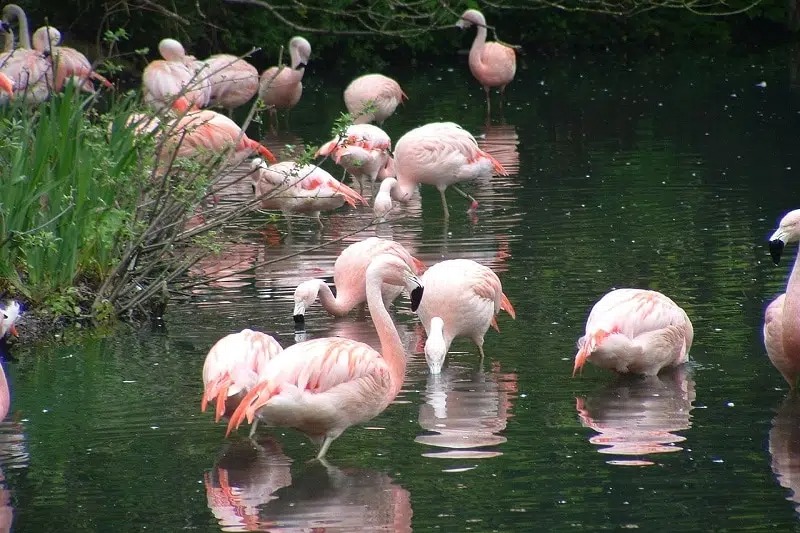
Visit the largest enclosed public park in Europe and you might even be lucky enough to sight a herd of the resident deer. Phoenix Park is also home to the Dublin Zoo
Justice Statue Dublin
Iustitia, Justitia or Lady Justice (Latin: Iustitia, the Roman goddess of Justice, who is equivalent to the Greek goddess Themis) is an allegorical personification of the moral force in judicial systems. Her attributes are a blindfold, a balance and a sword. She often appears as a pair with Prudentia, who holds a mirror and a snake.
The personification of justice balancing the scales dates back to the Goddess Maat, and later Isis, of ancient Egypt. The Hellenic deities Themis and Dike were later goddesses of justice. Themis was the embodiment of divine order, law, and custom, in her aspect as the personification of the divine rightness of law. However, a more direct connection is to Themis’ daughter Dike, who was portrayed carrying scales.
Day Trips to the Coast
The coast towns of Howth, Malahide, Bray, Greystones and Dun Laoghaire are just a short DART ride away and have lots to offer including seaside walks, beautiful parks and delicious food markets.
Irish cuisine is the style of cooking that originated from Ireland, an island in the North Atlantic; or was developed by the Irish people. It has evolved from centuries of social and political change, and the mixing of the different cultures in Ireland, predominantly the English and Irish.
The Ivy Dawson Street
One of the world’s most famous restaurants, The Ivy, West Street, has welcomed guests to enjoy its contemporary cuisine and unparalleled service for over a century.
The Ivy Collection has crossed the Irish Sea to open its first international brasserie in the heart of Dublin at the new landmark building of One Molesworth, Dawson Street.
SOLE Seafood & Grill
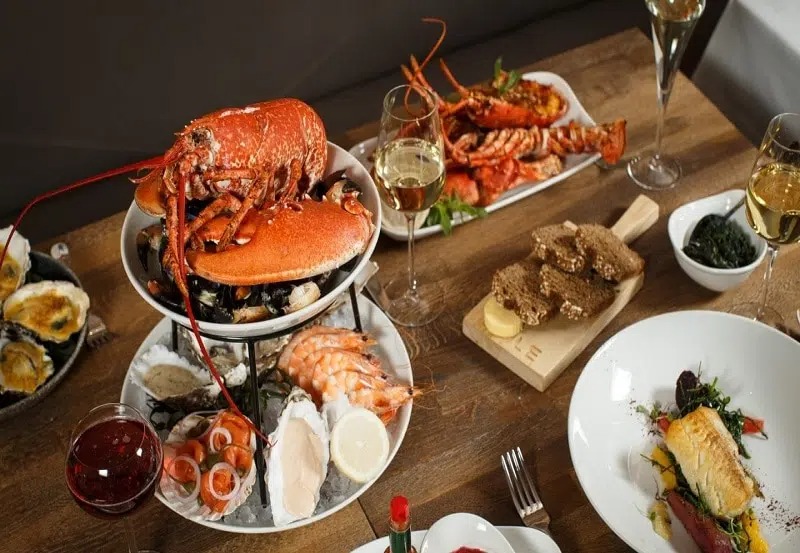
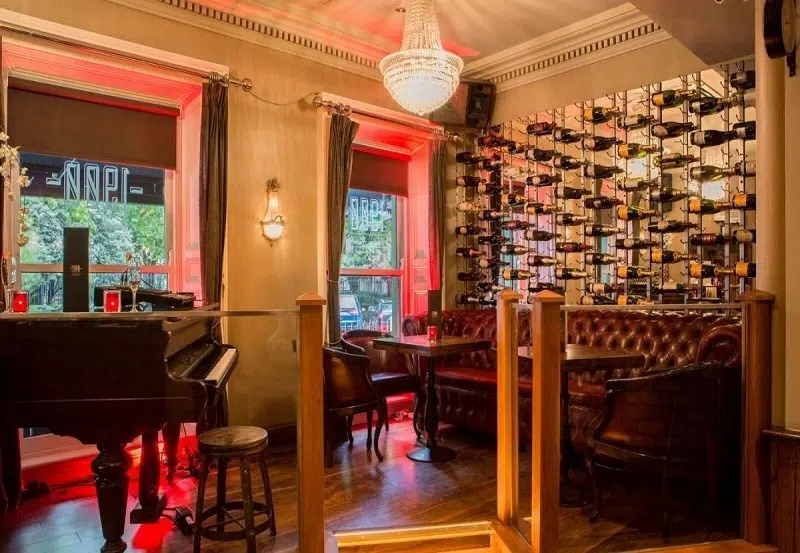
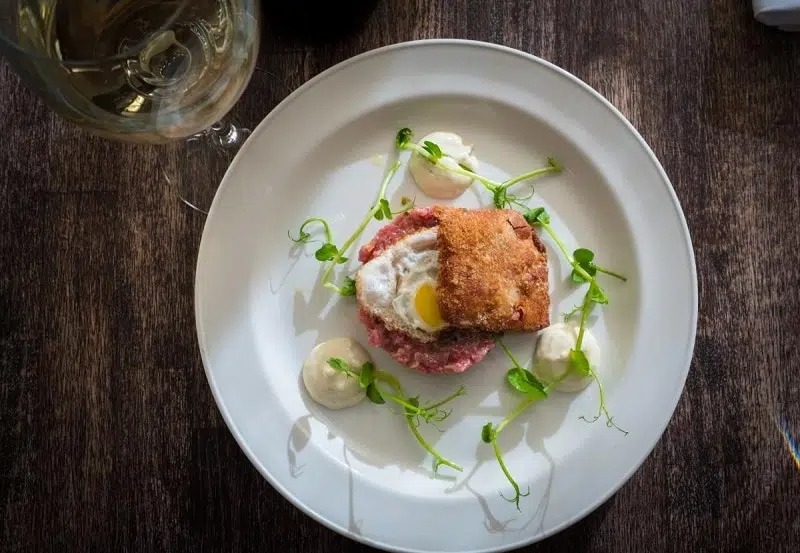
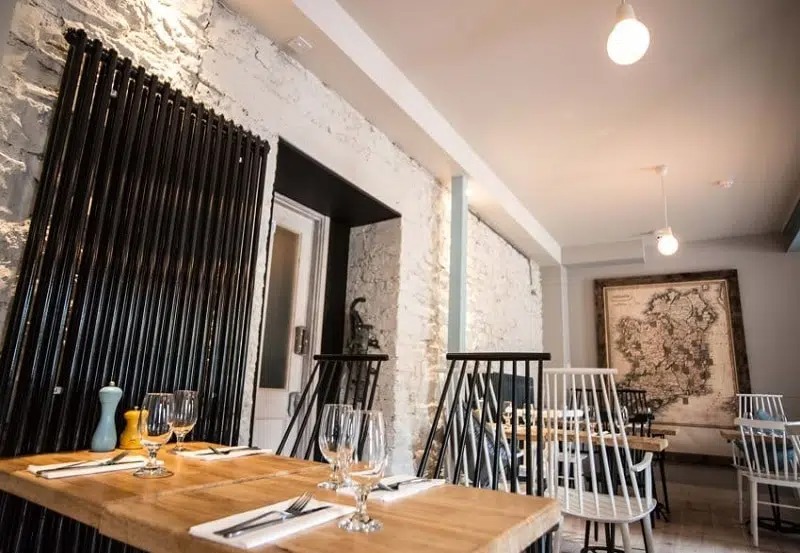
SOLE Seafood & Grill encapsulates the true taste of Ireland in the heart of Dublin, offering the ultimate dining experience for any occasion. A restaurant like no other; the chic interior is complemented by a stylish bar and tasteful food and drinks menu. Enjoy a warm Irish welcome in this stylish restaurant where the pleasure of fine wine and great food meets. From shore to soil, provenance is paramount in producing a menu full of show-stopping dishes such as the Captain’s Seafood Platter; a two-tier shared tower of grilled Irish lobster and steamed Roaring water Bay mussels, plus fresh oysters, prawns and Howth smoked Irish salmon, served with Guinness brown soda bread and traditional seafood accompaniments and sauces; or the Sole Meunière; a whole Dover sole, which is filleted at the table for you. Whatever the occasion, whatever your needs, we can assure you a memorable night of luxury and laughter at SOLE.
Isabelle’s
Located just off Grafton Street, Isabelle’s Restaurant & Bar guarantees delicious food, excellent cocktails & wine and professional, friendly service, every time. Our menu has been prepared with love, simple but packed full of flavour. We feature fresh ingredients, delivered daily by local suppliers, ensuring everything on our menu is fresh and utterly delicious. Whether you’re looking for a place to meet family for a leisurely lunch, a catch up with friends over dinner or to take a cocktail break from shopping, we look forward to welcoming you to Isabelle’s. Isabelle’s is open for lunch and dinner seven days a week, with brunch served every weekend and Bank Holiday Monday.
Pichet
Described as “a modern take on a classic bistro”, Pichet launched in July 2009 and is an award winning restaurant and holder of a Michelin Guide Bib Gourmand
Split into three unique areas, the front room is airy and spacious; the main dining room offers guests a front row seat to the theatrical displays provided by Pichet’s team of chefs and the quaint conservatory presenting guests with an intimate dining experience.
1900 Bar & Restaurant
1900 serves modern Irish cuisine and which offers a selection of traditional dishes with a modern twist. The restaurant is located on Harcourt street in Dublin’s south city centre. All steaks served have been aged for a minimum of 28 days, this could very well be a deciding factor for steaks lovers. Other menu items that the Chef de Cuisine serves to his diners include, an braised pork cheek with pickled red cabbage and cider jus or a Trio of Enniscorthy lamb. For those diners who enjoy their wine – the great news is that 1900 has a fantastic range.
The Legal Eagle
We have a very traditional meaty-pubby-old-fashioned-style menu, honouring our own traditional lexicon and producers. That style of food is very much in the ‘nose-to-tail’ world of dining which sits alongside a celebration of vegetables very comfortably! Both are a celebration of produce and we use some lesser celebrated vegetables and vegetable tops when possible.
Lunch features a daily roast-in-roll, Irish potato flatbreads (think bacon, cabbage & parsley sauce / think roasted squash, fig & honey / think smoked haddock brandade, fennel & duck egg!) and meats from our wood oven, traditional meat platters (hay-smoked ham, corned mutton, haslet, pickles) and delicious Seafood platters filled with the best from our coastal waters. Dinner adds roast bone marrow, rump heart, cauliflower rarebit and Shropshire Blue soufflé. There are 20 craft beers on tap, over 200 wines on a stellar list written with love and a small but considered and decidedly timeless classic cocktail list.
Camden Kitchen
Camden Kitchen is a Modern Neighbourhood Bistro serving seasonal Irish produce cooked with care and a warm welcome for locals and visitors.
A constantly evolving menu that makes the most of Ireland’s exceptional produce from land and sea.
Chef-Owner Padraic Hayden opened Camden Kitchen in 2010 after previously working in Head Chef positions in Dylan, 5 star Hotel in Dublin 4 and One Pico Restaurant Dublin 2.
The Winding Stair
The Winding Stair is an award winning Irish restaurant overlooking Dublin’s famous Ha’Penny bridge. The restaurant originally became a Dublin landmark in the 1970’s named after a Yeats poem, giving it some true local history. It opened again in 2006 and became what it is today. Serving micro-brewery beer and food produce sourced from Artisans from the Island The Winding Staircase enjoys sourcing locally. Serving dishes from Marcoom’s Irish buffalo mozzarella on their A la carte to roasted pumpkin wedges on their lunch menu there is a great twist on Irish dishes throughout the day.
The Washerwoman
The Washerwoman is on Glasnevin Hill (called locally Washerwoman’s Hill due to the local story of many washerwomen out on the hill with their mangles etc washing clothes in the Tolka river!). It’s been a well-loved and treasured restaurant in the area for years now, and is housed in a charming stone cottage which dates in part from 1700.
There will be a strong range of quirky and every day (!) wines befitting of a neighbourhood restaurant, which makes for a special occasion, or a casual dining experience. Given the locale and the fact that we hope to welcome families, there are exciting, healthy and accessible foods for kids (plus some little quirks to keep them interested, engaged and most importantly, occupied!), a host of diner classics, and a particularly extensive steak selection. We are working with some of our favourite craft butchers to create our own aging room and source some amazing salt-aged meats.
The Larder Restaurant & Brewhouse
The Larder Restaurant and Brew House is located just in Dublin’s Temple bar. The restaurant serves a selection of food and drink throughout the day. The food offering ranges from traditional Irish to more contemporary European dishes. The inside decor of the restaurant gives it a relaxed and contemporary feel.
Wrights Anglers Rest
One of Dublin’s best known and most inviting restaurants, The Angler’s Rest offers an extensive menu and top-class cuisine in the welcoming ambience of its French threadbare-style and elegance. Originally built as a hotel in 1865 and used by honeymooning Dubliners, it has always been called The Anglers Rest and is still serving great seafood to this day.
Just a 10-15-minute drive from Dublin City Centre, this landmark establishment in the seclusion of the Strawberry Beds – next door to the Phoenix Park – has a history that stretches back to Cromwellian times and the famous patriot Michael Collins. It has long been considered as his the favourite watering hole and for anglers fishing along the banks of the adjacent River Liffey.
Today, the tradition of great food and drink continues with a strong culinary reputation, including the freshest seafood landed by Wrights of Howth, and a wide selection of national and international brands of beers, wines and spirits.
Dublin, capital of the Republic of Ireland, is on Ireland’s east coast at the mouth of the River Liffey. Its historic buildings include Dublin Castle, dating to the 13th century, and imposing St Patrick’s Cathedral, founded in 1191. City parks include landscaped St Stephen’s Green and huge Phoenix Park, containing Dublin Zoo. The National Museum of Ireland explores Irish heritage and culture.
Trinity College and College Green
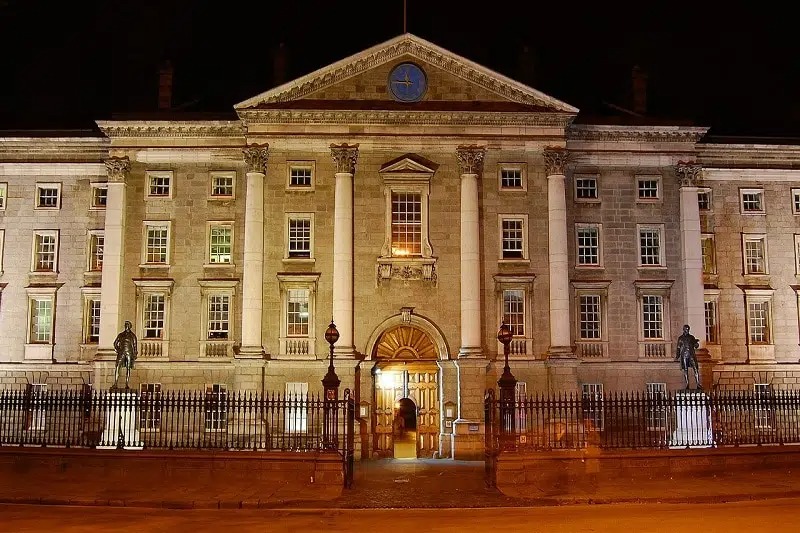
Trinity College is probably the best spot to kick off your Dublin tour. It’s at the heart of the capital, packed full of incredible history, and it’s the oldest university in Ireland having been founded in 1592 by Queen Elizabeth I. Occupying an enviable 40-acre site, Trinity retains some of its ancient seclusion of cobbled squares, gardens, and parks and is famed throughout the world for its collection of great treasures. These include, on permanent exhibition, the 9th century illuminated manuscript, the Book of Kells, the Books of Durrow and Armagh, and an ancient Irish harp. The priceless artefacts are displayed in the Treasury and the awe-inspiring 18th-century Long Room, which houses more than 200,000 of Trinity’s oldest books and hosts regular literary exhibitions.
Grafton Street
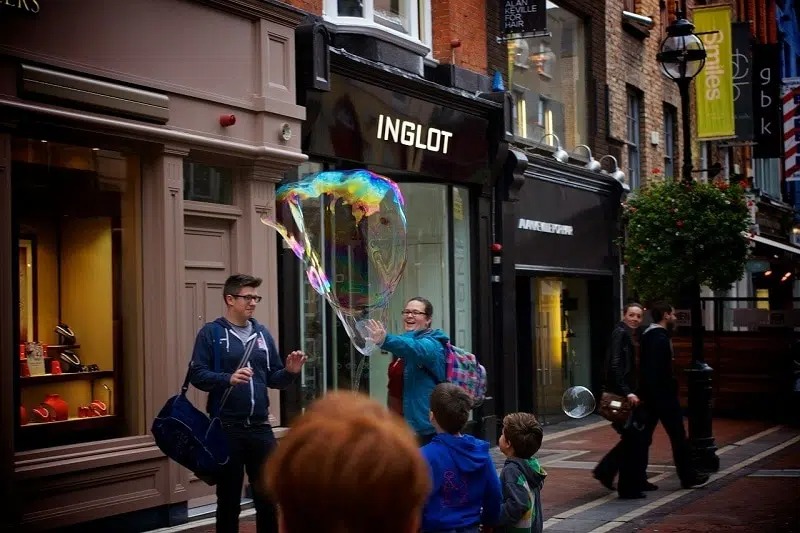
A short southerly stroll from Trinity College takes you down towards Dublin’s premier shopping location, Grafton Street. A statue of Molly Malone sits at the bottom of the street, so it’s impossible to miss. This eclectic stretch buzzes morning, noon, and night and is a magnet for buskers, from classical quartets to traditional fiddle players and singer-songwriters. Many famed bands and musicians have given impromptu performances here, including Bono of U2. Aside from buskers, you will find a broad range of boutiques, jewelers, and department stores including upmarket Brown Thomas. Many would say that the jewel in the crown is Bewley’s Oriental Café, a Dublin institution at this location since 1927. If on a shopping spree it’s well worth taking a slight diversion to the arty Powerscourt Townhouse Centre with its designer shops and trendy places to eat.
Dublin Ha’penny Bridge
The Ha’penny Bridge, known later for a time as the Penny Ha’penny Bridge, and officially the Liffey Bridge, is a pedestrian bridge built in May 1816 over the River Liffey in Dublin, Ireland. Made of cast iron, the bridge was cast in Shropshire, England.
Dublin Castle
Dublin Castle is the heart of historic Dublin. It is one of the most important buildings in Irish history. The city gets its name from the Black Pool – ‘Dubh Linn’ – which was on the site of the present Castle garden where the River Liffey met the River Poddle. The original fortification may have been an early Gaelic Ring Fort.
The GPO (General Post Office)
O’Connell Street, Dublin’s main thoroughfare, is home to the iconic GPO (General Post Office) built in 1814. The failed 1916 Uprising began here and bullet holes still dot the neo-classical portico. Inside, the An Post Museum houses the Letters, Lives & Liberty exhibition featuring a 1916 Uprising installation and a copy of the Proclamation of Independence.
Dublin Liffey River
OThe River Liffey is a river in Ireland that flows through the centre of Dublin. Its major tributaries include the River Dodder, the River Poddle and the River Camac. The river supplies much of Dublin’s water and a range of recreational activities.
Phoenix Park and Dublin Zoo
An 18-minute walk from Collins Barracks is Dublin Zoo in Phoenix Park. This is the largest enclosed urban park in Europe, some 1,750 acres, which is surprising given that Dublin is a relatively small capital city. Hundreds of deer roam the parkland, the President of Ireland’s official residence (Áras an Uachtaráin) is here along with Deerfield, a beautiful 18th-century property home to the American Ambassador to Ireland. There’s a Visitors Centre located close to a 17th-century tower house, Ashtown Castle, for those wishing to find out more about the park and its environs. At the far Castleknock Gate end and on some 78 acres stands stately Farmleigh House dating from the 1800s and purchased by the Irish state from the Guinness family in 1999.
Kilmainham Gaol
The forbidding gaol (jail), dating from 1789, truly is a notorious site in the history of Irish nationalism. It was here that the leaders of the 1916 rebels were first incarcerated and then executed for what was seen as an act of high treason. The exhibition in a modern hall gives a taste of what conditions were like and outlines the struggle for Irish independence. There are excellent guided tours throughout the rest of the jail, which cover Irish history from 1796-1924. The Stonebreaker’s Yard is sure to send shivers up the spine, as this is the spot where the leaders of the uprising met their grisly fate.
Christ Church Cathedral
Restored in the 19th century and dominating the surrounding area, Christ Church Cathedral is built on the site of Dublin’s first church, which was founded in 1028 and made of timber. The Great Nave has magnificent early gothic arches, and here you can see the 14th-century replica of the tomb of legendary Norman conqueror Strongbow, who is buried elsewhere in the cathedral. The fragment that lies alongside is said to be part of the original tomb and has the nickname, ‘Strongbow’s son.’ Parts of the vast crypt, which runs the length of the building, date from the 13th century.
Dalkey/Killiney
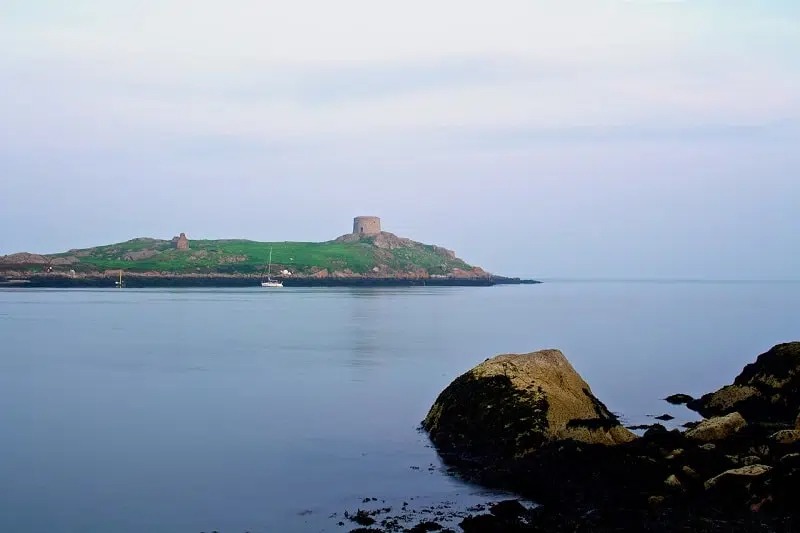
A must see and, surprisingly, just a 25-minute southbound trip on a DART (Dublin’s light rail network) from the city-center is Dalkey and one stop further along, Killiney, although both areas can easily be explored from Dalkey town. It’s recommended to disembark at the earlier stop as there’s an excellent visitor center at Dalkey Castle, which includes information about the area, historic and cultural exhibitions, and best of all, live theater performances as part of a fun guided tour, which scales the heights of the castle ramparts. Dalkey was once the main trading post on Dublin’s east coast, and the harbor at Coliemore Road was the place where medieval cargo ships could off-load their wares. Opposite the harbor is breathtaking Dalkey island, and an uphill stroll of around 15 minutes brings you to Vico Road with stunning views out over Killiney Bay. For more panoramic vistas, continue up to the top of Killiney Hill, a public park that is home to many species of wildlife and birds.
[vc_row gap=”20″ css=”.vc_custom_1615801508291{padding-bottom: 20px !important;}”][vc_column width=”1/2″][vc_single_image image=”713948″ img_size=”full” alignment=”center”][vc_column_text]Rue Bonaparte
Set next to the Place Garibaldi, Rue Bonaparte is a stylish network of bars, restaurants and cafes perfect for when you feel like unwinding on your vacation. Despite having lots to enjoy, Rue Bonaparte doesn’t have the same touristy feel as some of the city’s other venues, even in the busier season.
[/vc_column_text][/vc_column][vc_column width=”1/2″][vc_single_image image=”713949″ img_size=”full” alignment=”center”][vc_column_text]Chateau de Bellet
If you’re a wine fan, the Chateau de Bellet vineyards are definitely worth a trip to see. The combination of rare grapes and sulphurous terrain lead to wines that are quite unique and offer a once in a lifetime chance for any vino lovers. Take the tour and you’ll be able to enjoy the vineyards themselves, as well as the wine cellar and the Belletchapel. And, of course, there’s the chance to participate in tasting sessions.
[/vc_column_text][/vc_column][/vc_row][vc_row gap=”20″][vc_column width=”1/2″][vc_single_image image=”713950″ img_size=”full” alignment=”center”][vc_column_text]Galerie Eva Vautier
If you love art but want to avoid the busier venues Galerie Eva Vautier is a great option. It’s based in the Liberation part of Nice town centre, and shows off the best contemporary work from France and beyond. The gallery also regularly puts on cutting-edge expositions, so if you time your trip right you might be able to catch some of Europe’s most compelling work.
[/vc_column_text][/vc_column][vc_column width=”1/2″][vc_single_image image=”713951″ img_size=”full” alignment=”center”][vc_column_text]La Grande Corniche
The south of France has long attracted driving enthusiasts, and La Grande Corniche is one of the most stunning roads in the region. The scenery along the road – which will take you all the way to Italy, if you want it to! – is jaw-dropping in places, taking in some of southern France’s most beautiful towns, as well as a unique bird’s-eye view of Monaco. For lovers of the road, La Grande Corniche is a must visit.
For many people, holidays are all about the beach. In Nice, Coco Beach is the hidden gem. It’s never as crowded as the coastline and has an almost tropical feel. There are also a lot of opportunities for diving and climbing on the surrounding rocks. Snorkelling is also an option if you’re an animal lover and want to say hello to the local wildlife.
For those looking for a little oasis of calm in the heart of the busy and bustling city, the little garden surrounding the Musée Masséna is free to visit and open during daylight hours. Filled with park benches, shrubs, and plenty of cacti and other succulents, this beautiful place to relax is a great location to hang out with friends, enjoy a picnic, or plan your Nice itinerary!
[/vc_column_text][/vc_column][/vc_row][vc_row][vc_column width=”1/2″][vc_single_image image=”713954″ img_size=”full” alignment=”center”][vc_column_text]l’Église Sainte Rita de Nice
In the very heart of the Vieux Nice quarter of the city, the Baroque church of Saint Rita dates back to the 1600s. Featuring six side chapels, beautiful frescoed ceilings, and ornate carvings throughout the church, this small yet sumptuous ecclesiastical building is a welcome calm from the hustle and bustle of the rest of the tiny streets of Old Town Nice.
[/vc_column_text][/vc_column][vc_column width=”1/2″][vc_single_image image=”713955″ img_size=”full” alignment=”center”][vc_column_text]Mini Replica of the Statue of Liberty
Along the Promenade des Anglais, there’s one statue that you won’t want to miss off your list. The teeny tiny Statue of Liberty replica was unveiled along the boardwalk in 2014. You may well not know this, but the original Statue of Liberty (that of NYC) was actually gifted to the people of America by the people of France all those decades ago.
[/vc_column_text][/vc_column][/vc_row]
[vc_row gap=”20″ css=”.vc_custom_1615801508291{padding-bottom: 20px !important;}”][vc_column width=”1/2″][vc_single_image image=”713966″ img_size=”full” alignment=”center”][vc_column_text]Promenade des Anglais
The seaside boardwalk that runs along the Baie des Anges owes its existence to the British tourists who first popularized Nice as a holiday destination in the early 18th century. When hard economic times brought an influx of people to Nice searching for work, some of the wealthy Englishmen proposed paying them to create a walkway along the rocky beach. Today, it’s one of the most famous seaside promenades on the Mediterranean, lined with palm trees, beach cabanas, chic cafés and luxury hotels.
A broad promenade situated in Nice’s Old Town, the Cours Saleya is the site of the city’s famous open-air markets. Once a park for Nice’s upper classes, it’s shaded by trees and surrounded with 18th-century mansions, many of which are now home to pubs and restaurants serving Niçois cuisine. Sellers hawk fresh flowers and produce here every morning, Tuesday through Sunday. Antiques and collectibles are sold at the east end of Cours Saleya on Monday mornings.
A still-functioning monastery in Nice’s hilltop suburb of Cimiez, the Monastère de Cimiez was founded in the 9th century by Benedictine monks. Located near a cluster of Roman ruins and the Musée Matisse is an ancient church and museum that features art and documents from the 15th to 18th centuries, including three works painted by the Bréa brothers in the 1400s. Offering panoramic views of Nice and the Baie des Anges, the monastery also features exquisite gardens and the cemetery where the artist Henri Matisse is buried.
[/vc_column_text][/vc_column][vc_column width=”1/2″][vc_single_image image=”713969″ img_size=”full” alignment=”center”][vc_column_text]Promenade du Paillon
The recently opened Promenade du Paillon is a broad parkway that stretches from the Promenade des Anglais to the Théâtre National de Nice. Designed by landscape architect Michel Pena, it follows the path of the Paillon river, which was covered over in the late 19th century. The promenade features children’s playgrounds, greens spaces, gardens and a massive reflecting pool equipped with 128 water jets and fountains that spray water in a random pattern.
[/vc_column_text][/vc_column][/vc_row][vc_row gap=”20″][vc_column width=”1/2″][vc_single_image image=”713970″ img_size=”full” alignment=”center”][vc_column_text]Musee Marc Chagall
Located in the hilly suburb of Cimiez on Nice’s northern border, the Musée Marc Chagall houses one of the largest collections of works by the modernist Russian-French artist. Created during Chagall’s lifetime, the museum was designed to showcase his Message Biblique series of 17 paintings depicting scenes from the Bible. Chagall also created the colorful outdoor mosaic that overlooks the garden pond. More than 800 works by Chagall have been added to the collection since the museum opened in 1973.
The Cathédrale Orthodoxe Russe St-Nicolas is the largest of its kind in Western Europe, and with its ornate façade and blue onion domes topped with the glimmering gold crosses, it’s arguably the most beautiful too. Completed in 1912, the cathedral was built to accommodate the growing number of Russian aristocrats who wintered in Nice. The cathedral’s construction was funded by Czar Nicholas II in memoriam of his heir, Nicholas Alexandrovitch, who died in Nice in 1865.
A 17th-century villa in the hills of Cimiez in the north part Nice is home to an expansive collection of works by the French artist Henri Matisse. The artist first came to Nice in 1917 and remained in the city until his death in 1954. He spent his final years living in a building located across from the place that would become the Musée Matisse. Opened in 1963, the museum houses hundreds of paintings, gouaches, drawings, prints and sculptures made by the French master, and features a large collection of personal items that belonged to Matisse as well.
The cultural center of Nice, the Place Masséna is the city’s largest square and the main gathering place for community events and seasonal festivals. Surrounded by 17th-century architecture, it links the Old Town quarter with the city’s commercial district. After rebuilding a tramway transportation system, the square was designated a pedestrian-only zone, and an art installation by Spanish artist Jaume Plensa was installed. The piece consists of sculptures atop tall pillars scattered around the plaza. A large fountain featuring a statue of Apollo stands as the centerpiece of the square.
[/vc_column_text][/vc_column][/vc_row][vc_row gap=”20″][vc_column width=”1/2″][vc_single_image image=”713974″ img_size=”full” alignment=”center”][vc_column_text]Colline du Chateau (Castle Hill)
Little remains of the medieval fortress that once guarded Nice’s Vieux Ville from high atop a rocky hill, but the place where the Colline du Château stood still attracts visitors. Now a scenic park, Castle Hill offers spectacular views of the Old Town and shoreline below. Travelers can climb the 213 steps to the hill’s summit or can shorten the trek by taking the elevator located near the Hotel Suisse. In addition to crumbling castle walls, there’s a waterfall, several cafés, a children’s play area and a cemetery worth exploring.
Also known as Vieux Ville, Nice’s Old Town stretches from the foot of Castle Hill to the Place Masséna, the city’s main square. A maze of narrow streets punctuated with broad promenades, the medieval quarter evokes the time in history when Nice was allied with independent Italian states. Streets are lined with structures adorned with Italianate façades, faded gold paint and red-tile roofs. While many of the buildings now house shops and eateries that cater to tourists, Vieux Nice remains home to locals too. It’s one of the best areas to sample the region’s pastries and Niçois-style pizzas.
[/vc_column_text][/vc_column][/vc_row]
[vc_row gap=”20″ css=”.vc_custom_1615801508291{padding-bottom: 20px !important;}”][vc_column width=”1/2″][vc_single_image image=”713956″ img_size=”full”][vc_column_text]Bistrot d’Antoine – Gourmet Food at Great Prices.
In one of Old Nice’s bustling cobblestone streets, Bistro d’Antoine is not to be missed. This temple of gastronomic food is a Michelin starred restaurant with refined French cuisine. You can enjoy traditional dishes (like foie gras) in a warm and friendly atmosphere. Don’t forget to book in advance, because the restaurant is usually booked up a few days in advance. They don’t have a website, but our receptionists would be happy to call for you! Ask for a table on the 1st floor where it’s coziest.
Address: Bistrot d’Antoine, 27 rue de la Préfecture, Vieux Nice (Old Town)
[/vc_column_text][/vc_column][vc_column width=”1/2″][vc_single_image image=”713957″ img_size=”full”][vc_column_text]Bar des Oiseaux
The Bar des Oiseaux offer revisited seasonal dishes with a fresh menu that changes daily. Here, fresh pasta reigns supreme. On the menu, you will find fresh ravioli and seafood linguine based on the day’s catch, all at reasonable prices and served in a lively atmosphere with pop-art décor. You will need to book in advance to get a table here!
Address: Bar des Oiseaux 5 Rue Saint-Vincent, Nice
[/vc_column_text][/vc_column][/vc_row][vc_row gap=”20″ css=”.vc_custom_1615801508291{padding-bottom: 20px !important;}”][vc_column width=”1/2″][vc_single_image image=”713958″ img_size=”full”][vc_column_text]Peixes
Head here for some of the best seafood in the city. Peixes means fish in Portuguese and Catalan – this restaurant’s menu is geared towards all the delights of the big blue. You’ll find delicious and fresh ingredients, a relaxed and inviting décor, professional service, and beautiful and tasty cuisine for a good price.
Address: Peixes, 4 Rue de l’Opéra, Nice
[/vc_column_text][/vc_column][vc_column width=”1/2″][vc_single_image image=”713959″ img_size=”full”][vc_column_text]Cafe de Turin
The Café de Turin is a landmark for seafood lovers and has been a culinary institution in Nice for more than 100 years. Here, you’ll taste the freshest seafood served in their bountiful seafood platters, in a chic and relaxed brasserie atmosphere. The menu has a wide selection of shellfish and crustaceans of high quality; if you love sea-food, this is a must. You can also grab takeaway service from their walk-up seafood bar, Jo l’Écailler.
Address: Cafe de turin, 5 place Garibaldi, Nice
[/vc_column_text][/vc_column][/vc_row][vc_row gap=”20″][vc_column width=”1/2″][vc_single_image image=”713960″ img_size=”full”][vc_column_text]Comptoir du Marche
Brought to you by the same family as the Bistrot d’Antoine, the Comptoir du Marché combines friendly service, a relaxed atmosphere, and quality cuisine, at very reasonable prices. Every day the talented chefs decide the menu from fresh produce at the Fruit and Flower Market nearby. The food is both simple and sophisticated, and certainly delicious. You can enjoy classics like lamb shank stew, beef with sliced Roquefort, fresh tuna with coconut and artichokes. And for dessert, French toast or petit pot of chocolate cream.
Address: Le comptoir du marché, 8 rue du marché, Nice
Di Più offers tasty and affordable Italian food with an unbeatable sea-side view; their giant patio has seating for more than one hundred, and locals and tourists alike flock here. Quantities are generous, with fresh ingredients and produce. The décor is chic and relaxed, and from the tables you can enjoy one of the most beautiful views of the Bay of Angels.
One of the many restaurants lining the coast of Nice, Le Galet’s tables are set right down on the beach, so you can enjoy your food with the gentle sound of the surf against the pebbles and the fresh sea air complimenting their dishes. They have lounge-chairs for rent to enjoy a cocktail on the beach after your meal. The restaurant is very new, but from a well-established restauranteur group in Nice; professional, chic and very relaxed.
A little golden nugget of a bistro with moleskine benches and a 100% natural wine list. It’s an ideal places to go for dinner with a hot date. There’s no menu here. Instead you’ll find a changing spectrum of dishes that change with the seasons, according to whatever is delivered from local producers. The kitchen keep things simple, letting the top drawer produce shine – think bold green asparagus and perfect tender lamb.
One of the city’s institutions! Dominique Le Stanc – former chef of Negresco – is the innkeeper here, highlighting Nice’s traditional cuisine in a comfortable retro space. Mad Men fans will love the decor and everyone will love the food. Think menton pie (containing dandelion and anchovies), gorgonzola polenta and veal tripe. All are delicious, but the star of the show is the most perfect daube de boeuf à la Provençale (orange and beef tail).
An architectural feat, Le Plongeoir stands on the rocks facing the sea, offering breathtaking views of the water. It’s a place to spend an evening people-watching the in-crowd. It’s hard to outdo the carefully prepared food here. It makes many references to traditional cuisine, even going so far as to offer a super-local menu – with salad niçoise, cod with meat juice and ravioli with herbs and lemon meringue pie.
Address: 60 Boulevard Franck Pilatte, 06300 Nice
[/vc_column_text][/vc_column][/vc_row]
[vc_row][vc_column][vc_column_text]French food isn’t all about haute cuisine and fine dining – some of the best food to be enjoyed in Paris can be bought for a couple of euros from a humble boulangerie. Here’s our pick of the gastronomic highlights.[/vc_column_text][vc_single_image image=”713048″ img_size=”800X553″ alignment=”center”][vc_column_text]GRAVITY BAR
The best restaurant for cocktails and dinner
The curving wooden interiors of this new hangout take their inspiration from surfing and skateboarding, but it’s the serious cocktails and market-driven menu that give the greater thrills. Unusual flavours are the draw here; try the Black Popeye, shaken with Chairman’s Reserve rum, amaro, bitters and absinthe. The dishes are no less imaginative, including fried whelks and duck tartare.
Address: Gravity Bar, 44 rue des Vinaigriers, Canal Saint-Martin, Paris[/vc_column_text][/vc_column][/vc_row][vc_row][vc_column][vc_single_image image=”713049″ img_size=”800X553″ alignment=”center”][vc_column_text]CAFÉ CRAFT
The best café for a cup of coffee
Co-working is still a relatively new concept in the French capital, but this graphic, monochromatic space is where MacBook-toting freelancers start their day over espressos made with beans from Parisian roasters Lomi. Buy a cup or pay by the hour for access to Wi-Fi and a seat at the communal table.
Address: Café Craft, 24 rue des Vinaigriers, Canal Saint-Martin, Paris[/vc_column_text][/vc_column][/vc_row][vc_row][vc_column][vc_single_image image=”713050″ img_size=”800X553″ alignment=”center”][vc_column_text]LIBERTÉ
The best breakfast spot
Atop the marble counter of this brilliant bakery from master pastry chef Benoît Castel are delicate tarts and jewel-like fancies. Their prettiness contrasts with the raw interiors. Opt for perfect madeleines or go for full-on indulgence with Castel’s famous tarte à la crème.
Address: Liberté, 39 rue des Vinaigriers, Canal Saint-Martin, Paris[/vc_column_text][/vc_column][/vc_row][vc_row][vc_column][vc_single_image image=”713051″ img_size=”800X553″ alignment=”center”][vc_column_text]THE SUNKEN CHIP
The best fish and chips
How do Parisians do fish and chips? In this trendy metro-tiled restaurant with line-caught haddock or coley from Saint-Jean-de-Luz and thick, hand-cut, double-cooked frites. If you’re not married to tradition, swap the classic for a hake burger or monkfish nuggets coated in panko breadcrumbs, along with a local craft beer.
Address: The Sunken Chip, 39 rue des Vinaigriers, Canal Saint-Martin, Paris[/vc_column_text][/vc_column][/vc_row][vc_row][vc_column][vc_single_image image=”713052″ img_size=”800X553″ alignment=”center”][vc_column_text]SOL SEMILLA
The healthiest snacks
Call them hippies or early adopters, but the owners of this vegan canteen and shop have been turning out antioxidant-rich superfoods such as açai, Klamath algae and maca powder since opening in 2007. Pop into the cheery turquoise-fronted store for kale chips or raw cacao to munch on.
Address: Sol Semilla, 23 rue des Vinaigriers, Canal Saint-Martin, Paris[/vc_column_text][/vc_column][/vc_row][vc_row][vc_column][vc_single_image image=”713053″ img_size=”800X553″ alignment=”center”][vc_column_text]PICCOLI CUGINI
The best place for an apéritif
The area’s go-to pizza joint doubles as a pre-dinner spot for a turned-out crowd with bigger plans. Join them in sipping spritzes and Italian wines while tucking into plates of burrata and Parma ham.
Address: Piccoli Cugini, 34 rue des Vinaigriers, Canal Saint-Martin, Paris[/vc_column_text][/vc_column][/vc_row]